If you’ve ever stood at a butcher counter or browsed beef online and noticed dry aged or wet aged on the label, you’re not alone in wondering what it actually means, and which one is better. When it comes to grass fed beef, the aging process plays a big role in flavour, texture, and overall eating experience.
Let’s break it down simply, without the fluff.
What Is Beef Aging, Anyway?
Aging is the process of letting beef rest after slaughter so natural enzymes can tenderise the meat and develop flavour. All quality beef is aged in some way, the difference lies in how it’s done.
There are two main methods: dry aging and wet aging.
Dry Aged Grassfed Beef
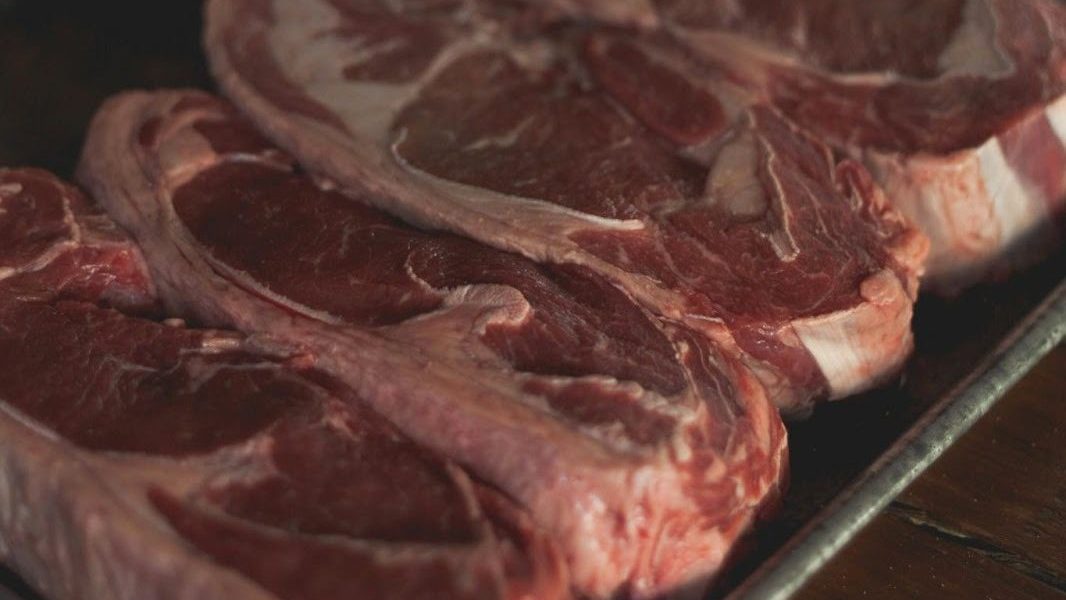
Dry aging is the more traditional method. Beef is hung or placed on racks in a temperature and humidity-controlled environment, uncovered, for several weeks.
What happens during dry aging:
- Moisture slowly evaporates from the meat
- Flavours become more concentrated
- Natural enzymes break down muscle fibres
How it tastes:
Dry aged grass fed beef has a deeper, more complex flavour. Expect nutty, earthy notes with a richer beefiness. Because grass fed beef already has a distinct flavour, dry aging tends to enhance it rather than mask it.
Pros:
- Intensely rich flavour
- Very tender texture
- Premium eating experience
Cons:
- More expensive (weight loss during aging)
- Slightly less yield per cut
- Not everyone loves the stronger flavour
Dry aged grass fed beef is ideal if you enjoy bold, steakhouse-style flavour and want beef to be the star of the plate.
Wet Aged Grass fed Beef
Wet aging is a more modern and widely used method. The beef is vacuum-sealed in plastic and aged in its own juices, usually for 7 to 28 days.
What happens during wet aging:
- Beef ages without moisture loss
- Tenderisation still occurs
- Flavour remains clean and mild
How it tastes:
Wet aged grass fed beef has a fresh, natural beef flavour. It’s less intense than dry aged, which many people prefer for everyday meals.
Pros:
- More affordable
- Juicier cuts
- Consistent and approachable flavour
Cons:
- Less complex flavour
- No concentration effect from moisture loss
Wet aged grassfed beef is perfect for families, batch cooking, or anyone who likes clean, straightforward beef flavour.
| Feature | Dry Aged | Wet Aged |
|---|---|---|
| Flavour | Rich, deep, concentrated | Clean, mild, beef-forward |
| Texture | Very tender | Tender and juicy |
| Cost | Higher | More affordable |
| Best for | Steak lovers, special occasions | Everyday cooking |
Which Is Better for Grass fed Beef?
There’s no right or wrong answer, it really comes down to how you like your beef.
- If you love big flavour and restaurant-quality steaks, dry aged grass fed beef is worth trying.
- If you want versatile, juicy beef for regular meals, wet aged grass fed beef is a great choice.
Both methods respect the quality of grass fed beef, they just highlight it in different ways.
Aging isn’t about making beef better or worse, it’s about shaping the experience. Regardless of if it’s dry aged or wet aged, grass fed beef delivers on flavour, nutrition, and quality when it’s raised properly and handled with care.
If you’ve never tried both, the best advice is simple: try each and see what suits your taste. Chances are, you’ll find a place for both in your freezer. Contact us today if you are interested in purchasing whole or half beef to stock up your freezer this year!